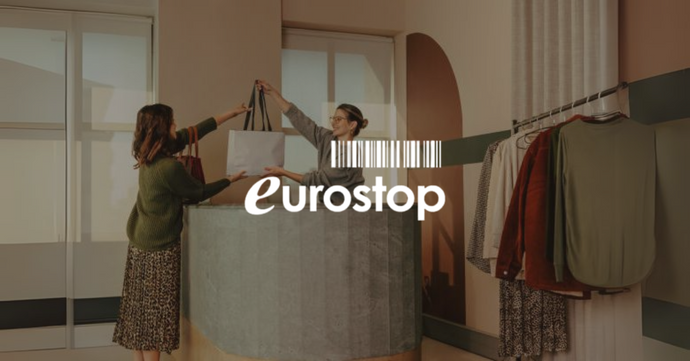

A customer adds a jacket to their cart on your website during their morning commute. At lunch, they check the same item on their phone and find it is still in their cart. Before buying, they visit your store to try it on. When the size isn't available, the associate checks the tablet, finds it at another location, and offers to ship it free of charge. The customer agrees, completes the payment on the spot, and receives the jacket two days later.
To the customer, this feels effortless. But behind the scenes, this is omnichannel retail at work.
This is how shoppers shop today; they expect this level of flexibility. According to a Zendesk report, 70% of customers say a seamless experience makes them purchase more. To meet these expectations, retailers are increasingly adopting omnichannel retail strategies that unify customer experiences across every touchpoint.
But what exactly is omnichannel retail, and why has it become a key focus for modern retailers?
What is Omnichannel Retail
For years, "omnichannel" has been everywhere in retail conversations, yet what it actually means remains surprisingly unclear. The term has become so broad that it can feel overwhelming. Is omnichannel retail about same-day pickup, social commerce, mobile apps, or online marketplaces?

The answer is yes to all, but that doesn't mean you need to implement everything at once. It's about connecting the channels that matter most to their customers and ensuring they work together seamlessly. A retailer may start by connecting its physical stores and eCommerce website, then gradually expand into services such as click-and-collect, marketplace integration, or social commerce as customer needs evolve.
The goal of omnichannel retail is simple: delivering a consistent experience across any channel. And it works so well that industry leaders have made it their standard.
It's about letting customers interact with your brand on their preferred channels, and allowing them to switch between those channels without friction. A customer can browse on their phone, compare prices on a laptop, and complete the purchase in-store without restarting their journey or re-entering their information.
Customer data sits at the heart of this experience. No matter where the shopping journey begins, customer information travels across channels to ensure a seamless experience from start to finish. The retailer retains purchase history, cart contents, and preferences throughout the journey. This enables truly asynchronous shopping: customers can pick up exactly where they left off, even if they switch devices or visit days later.
Omnichannel retail also addresses product delivery options. Customers expect flexibility beyond standard shipping, with options such as Buy Online Pick Up In-Store (BOPIS), curbside pickup, secure lockers, and same-day delivery becoming an essential part of the omnichannel experience.
The key takeaway? You don't need to be everywhere. You just need to connect the channels you already have.
Why Retailers Need Omnichannel Retail
So why are so many retailers investing heavily in omnichannel capabilities?

To Meet Rising Customer Expectations
Customers expect the flexibility to shop whenever and wherever they want. They move between physical stores, websites, mobile apps, marketplaces, and social media throughout their buying journey. Whether it's buying online and picking up in-store, returning a purchase through a different channel, or receiving support wherever they engage with a brand, shoppers expect every interaction to be seamless.
They also no longer view online and offline channels as separate experiences. Customers expect product information, pricing, promotions, loyalty rewards, and customer service to remain consistent across every touchpoint. Omnichannel retail connects these channels and experiences, helping retailers to meet the expectations of today's shoppers.
To Increase Sales and Customer Loyalty
Omnichannel retail helps retailers turn every interaction into a sales opportunity while building stronger, longer-term customer relationships. When channels are connected, customers can discover products in one place, continue their journey in another, and complete their purchase without friction. In addition, retailers gain a unified view of customer behavior across all touchpoints. This enables more personalized experiences, relevant promotions, and consistent engagement that strengthen relationships and encourage repeat purchases.
Customers who can interact with a brand on their own terms are more likely to return, recommend it to others, and remain loyal over time. In contrast, fragmented or inconsistent experiences often push customers toward competitors.
To Improve Business Visibility and Efficiency
When channels are connected, inventory becomes a shared asset across the entire business. Stock can be used to fulfil orders from warehouses, stores, or distribution centres, helping to reduce stockouts, minimise overstocks, and ensure products are available where and when customers want them.
At the same time, connected systems help eliminate data silos and manual processes. Orders, inventory updates, customer information, and fulfilment activities can be managed more efficiently, improving accuracy, productivity, and overall operational efficiency.
Key components of Omnichannel Retail
Building a successful omnichannel retail operation requires several core components working together. Here are the essential elements.
#1 Sales Operations
Physical stores, eCommerce websites, mobile apps, marketplaces, and social commerce platforms form the foundation of omnichannel retail. By sharing data in real time, these channels operate as a unified ecosystem, ensuring inventory, orders, and customer information remain synchronized. Whether a customer shops online, purchases in-store, or returns an item through another channel, the experience remains seamless and connected.
#2 CRM
A unified customer profile consolidates purchase history, preferences, loyalty activity, and interactions across all channels into a single view. By providing a complete understanding of each customer's journey, retailers can deliver personalized experiences, targeted marketing campaigns, and more informed customer service while maintaining consistent engagement and building long-term relationships across every touchpoint.
#3 Order Management
Order management connects and centralizes orders from all sales channels, enabling retailers to efficiently coordinate fulfilment across stores, warehouses, and distribution centres. Orders can be intelligently routed based on inventory availability, customer location, and operational efficiency, supporting fulfilment options such as home delivery, click-and-collect, and cross-channel returns. This ensures a faster, more flexible, and seamless experience for both retailers and customers.
#4 Inventory Management
Real-time inventory visibility across stores, warehouses, and distribution centres ensures stock information remains accurate across every channel. By maintaining a single source of truth for inventory, retailers can support services such as Buy Online Pick Up In-Store (BOPIS) and ship-from-store, improve stock availability, prevent overselling, and make more informed inventory decisions.
#5 Warehouse Management
Warehouse management ensures inventory is received, stored, picked, packed, and dispatched efficiently to support demand across all sales channels. By connecting warehouse operations with inventory and order management systems, retailers gain greater visibility and control over stock movements in order to enable faster fulfilment.
Omnichannel Touchpoints
Omnichannel retail isn't about being on every possible channel. It's about connecting the channels where your customers already are. While the exact mix of channels varies by retailer, the following are among the most common channels in an omnichannel retail strategy.

Retail Stores
Retail stores continue to be a key customer touchpoint, providing hands-on product experiences, personalized service, and immediate purchase opportunities. In an omnichannel retail environment, stores also function as fulfilment centres, supporting services such as click-and-collect, Buy Online Pick Up In-Store (BOPIS), and ship-from-store, helping retailers create a more connected and convenient shopping experience.
e-Commerce Websites
eCommerce websites extend the retail experience beyond the physical store, providing customers with a convenient and accessible shopping channel. Connected to real-time inventory, customer profiles, and order management systems, they enable consistent product information, pricing, promotions, and availability across all touchpoints. This connectivity supports a range of fulfilment options, allowing retailers to deliver a seamless shopping experience regardless of where the purchase takes place.
Marketplaces
Online marketplaces such as Amazon, Shopee, Lazada, and Zalora enable retailers to expand their reach and access new customer segments through established digital platforms. By integrating marketplace sales with centralized inventory, order management, and fulfilment systems, retailers can maintain accurate stock visibility, streamline order processing, and efficiently manage sales across multiple channels from a single platform.
Mobile Apps
Mobile apps provide customers with a convenient and highly accessible shopping channel while enabling retailers to deliver more personalized experiences. Features such as product browsing, loyalty rewards, mobile payments, order tracking, and saved shopping carts help drive engagement and encourage repeat purchases. When integrated with customer, inventory, and order management systems, mobile apps can also support capabilities such as real-time stock visibility, location-based services, and targeted promotions.
Social Commerce
Social commerce transforms social media platforms into direct sales channels, allowing customers to discover, engage with, and purchase products within the same platform. By integrating channels such as Instagram, Facebook, TikTok, and Pinterest into their omnichannel strategy, retailers can reach customers where they spend their time, shorten the path to purchase, and capitalize on product discovery driven by content, influencers, and social engagement.
Benefits of Omnichannel Retail

It delivers tangible benefits across your entire business. Here are the key advantages.
Increase Customer Satisfaction & Retention
Satisfied customers come back. Omnichannel retail delivers consistent service across every touchpoint, building trust that turns one-time buyers into loyal, repeat customers.
Deliver Personalized Customer Experience
Customers expect seamless, relevant interactions. Unified customer data enables consistent service and tailored recommendations, whether they shop online, on mobile, or in-store.
Attract New Customers & Generate More Leads
Every channel is an opportunity. Social commerce, marketplaces, and physical stores all bring new shoppers into your ecosystem, expanding your reach beyond a single platform.
Increase Sales Opportunities
Every channel becomes a revenue driver. Omnichannel retail captures sales at multiple touchpoints, where browsing online may lead to an in-store purchase, and a store visit might trigger a later mobile order.
Improve Inventory Control
Real-time visibility prevents stockouts and overstocks. Inventory becomes a shared asset that can fulfil orders from warehouses, stores, or distribution centres, based on the most efficient and suitable location.
Streamline Returns & Fulfilment
Returns don't have to be a headache. Customers can return online purchases to physical stores and vice versa, while orders are routed automatically to the optimal fulfillment location.
Increase Operational Efficiency
Automation reduces manual work. Orders flow seamlessly, inventory updates in real time, and data stays automatically synchronized, allowing teams to reduce manual work and focus on higher-value activities.
The Future of Retail is Connected
At Eurostop, we help retailers build the foundation for omnichannel success. Our solutions connect every part of the retail ecosystem, enabling businesses to operate more efficiently, serve customers more effectively, and scale with confidence.
As retail continues to evolve, omnichannel will remain a key driver of growth that helps retailers deliver consistent experiences across every channel and engage customers wherever they choose to shop.
Ready to take your retail strategy further? Contact us to learn more or request a demo today.