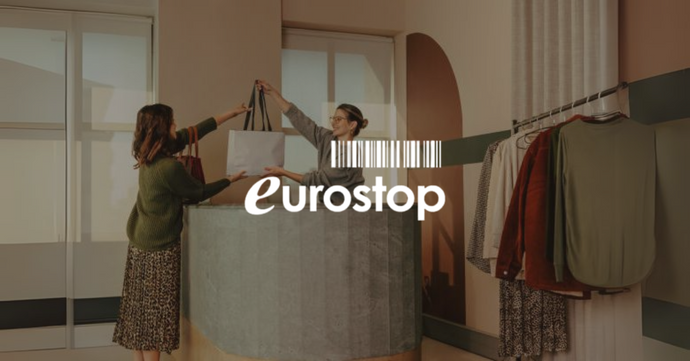

"I saw it online, but I want to try it in-store."
"Can you check if another location has this in my size?"
"I'd like to buy this now and pick it up later."
If you are a retailer, you hear these requests every single day. Your customers don't think about "channels." They don't distinguish between your website, your physical store, or your social media page. To them, it's all just your brand.
This is the essence of omnichannel customer experience.
But what exactly does it mean? And why is it so critical for modern retail success?
Let's break it down.
What Is Omnichannel Customer Experience?
Omnichannel customer experience is about delivering a seamless, connected shopping journey, no matter how or where your customers choose to engage with your brand.
The goal is simple: make every interaction feel like part of one unified brand experience, not a series of disconnected channels.
In an omnichannel retail environment, customers can transition seamlessly between channels while enjoying a consistent experience. They might discover a product online, check its availability in-store, and complete the purchase through their preferred channel. Their account, purchase history, and loyalty rewards remain connected, creating a frictionless shopping journey.
Omnichannel isn't about being present on multiple channels. It's about connecting those channels so they work together as one seamless ecosystem. The customer doesn't care about your internal silos. They simply want a smooth and effortless shopping experience.
Why Do Customers Expect an Omnichannel Experience?
1. It's How They Live Their Lives
Nowadays, consumers are constantly connected. They research products on their phones during their morning commute. They browse on their laptops during lunch. They visit stores on the weekend.
Their shopping journey doesn't follow a straight line. It hops between devices, locations, and times of day. They expect brands to keep up.
2. They Value Convenience Above All
With more choices available than ever, customers expect shopping to be effortless. Retailers that fail to deliver a convenient and consistent experience risk losing customers to competitors.
Omnichannel delivers that convenience:
-
Buy online, pick up in-store.
-
Return online purchases to a physical store.
-
Access loyalty points and personalized offers across all channels.
3. They Demand Personalization
Personalization has become an important part of the shopping experience. Customers expect retailers to remember their preferences, purchase history, and previous interactions across every touchpoint.
When a customer walks into your store and the associate already knows what they were looking at online, that's powerful. It creates connection, loyalty, and trust.
4. They Have Higher Expectations Than Ever
Thanks to Amazon, customers expect fast, seamless, and hassle-free shopping. They want:
-
Flexible fulfillment options.
-
Easy returns.
-
Consistent pricing across channels.
Brands that deliver these experiences earn loyalty. Brands that don't get left behind.
5. They Reward Brands That Make Life Easier
When you make shopping effortless, customers take notice. They return more often, spend more per transaction, and become loyal advocates for your brand. According to industry research, retailers with strong omnichannel strategies retain 89% of their customers, demonstrating the impact of a seamless shopping experience on customer loyalty.
Omnichannel Customer Journey
The omnichannel customer journey is rarely linear. It's a web of touchpoints that weave together to create a single, unified experience.
Here is what that journey might look like:
Phase 1: Discovery
The customer discovers your brand through:
-
Social media (Instagram, TikTok, Facebook).
-
Online search (Google, Pinterest).
-
Word of mouth or recommendations.
-
Physical store window displays.
Omnichannel Requirement: Consistent branding and messaging across all discovery channels. A customer should feel like they're interacting with the same brand, whether they see you on Instagram or walk past your store.
Phase 2: Product Research
The customer researches your products:
-
They browse your website on their phone.
-
They read reviews on social media.
-
They visit your store to see products in person.
-
They ask friends for recommendations.
Omnichannel Requirement: Product pricing, availability, and descriptions must remain consistent across every sales channel. If a product is on sale online, the same promotion should be available in-store. Likewise, if an item is out of stock at a physical location, the website should display accurate availability or suggest suitable alternatives.
Phase 3: Purchase Through Their Preferred Channel
The customer makes a purchase:
-
Online, with home delivery.
-
Online, with in-store pickup (BOPIS).
-
In-store, with the help of an associate.
-
Via mobile app or social commerce.
Omnichannel Requirement: The purchase experience must be seamless. Customers should be able to switch between channels without friction. Their cart should follow them. Their payment information should be saved. Their loyalty points should be accessible.
Phase 4: Order Fulfillment
The customer receives their purchase:
-
Shipped to their home.
-
Picked up in-store.
-
Delivered same-day via local courier.
Omnichannel Requirement: Fulfillment options must be flexible and transparent, allowing customers to choose the delivery method that best suits their needs. They should also receive real-time updates on their order status and be able to return or exchange products easily, regardless of where the original purchase was made.
Phase 5: Post-Purchase Engagement
The relationship doesn't end at checkout:
-
Customers receive personalized recommendations based on their purchase.
-
They earn loyalty points and receive tailored offers.
-
They leave reviews and share on social media.
Omnichannel Requirement: Customer data must flow across all channels so that every interaction feels connected. The marketing team should know what the customer bought. The store associate should know their preferences. The loyalty program should recognize them everywhere.
How Technology Enables Omnichannel Retail
Delivering a seamless omnichannel experience isn't possible without the right technology. Behind every seamless customer journey is a connected technology ecosystem that keeps data synchronized and operations running efficiently.
Here is what you need to make it happen:

Are You Ready to Meet Your Customers Where They Are?
Customers don't think in channels. They think in experiences. They expect to interact with your brand seamlessly, whether they're online, in-store, or on their phone. And they reward brands that make their lives easier with loyalty, repeat purchases, and advocacy.
However, delivering a seamless omnichannel experience requires more than good intentions. It requires the right technology, including unified commerce platforms, real-time inventory management, customer data platforms, and AI-powered personalization.
Whether you're just starting your omnichannel journey or looking to take it to the next level, our team is here to help.
👉 Get in Touch with Our Team
👉 Schedule Your Exclusive Demo Now